The Essential Guide to Lead Testing and Prep for Pre-1978 Home Exteriors
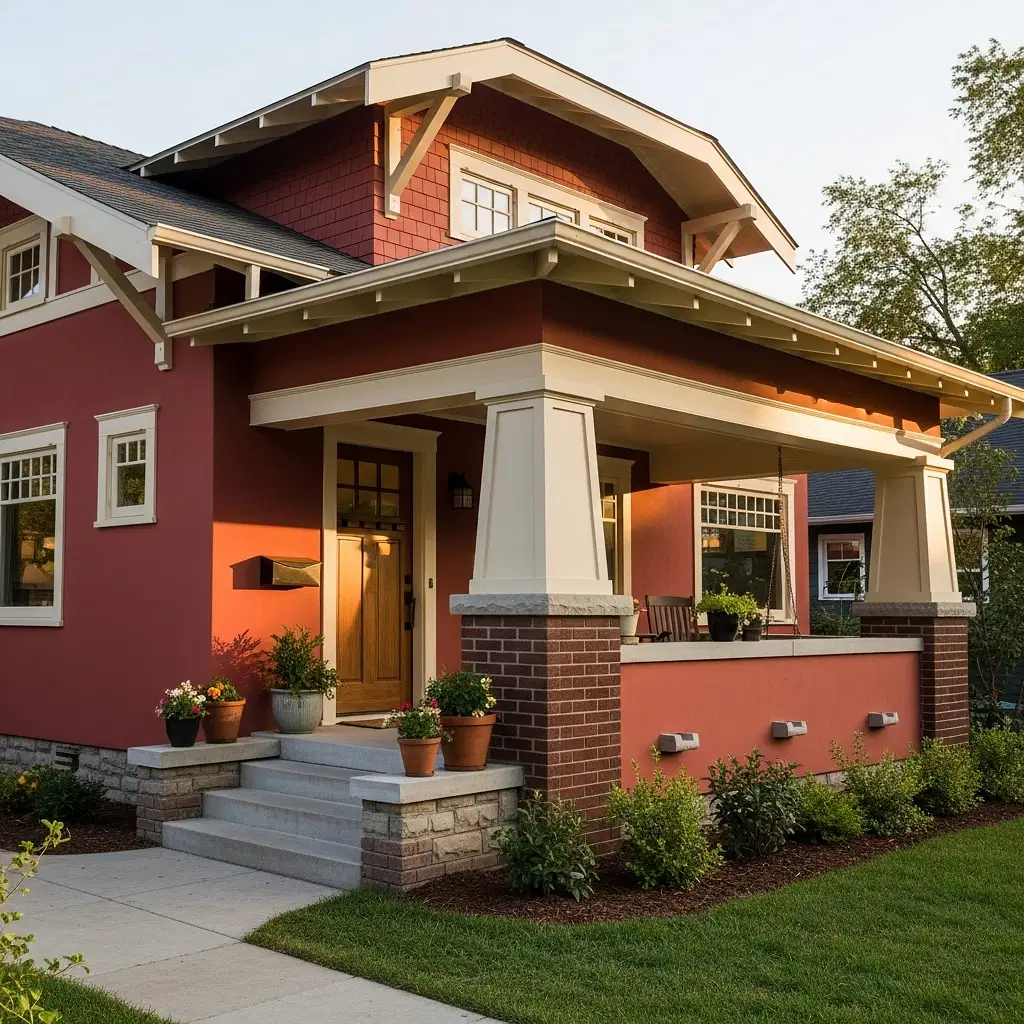
If you own a classic Craftsman Bungalow or a stately Foursquare, you already know the unique charm these older properties bring to our neighborhoods. The intricate woodwork, sturdy bones, and timeless architecture are a testament to the craftsmanship of the past. Preserving that historic character takes dedication, especially when it comes time for an exterior update. But working on historic homes built before 1978 involves a lot more than just picking the perfect color palette and grabbing a brush.
It requires a deep understanding of lead safety protocols, environmental regulations, and highly specialized residential painting techniques. Whether you are tackling a minor trim update or a complete exterior painting overhaul, navigating the safety requirements and extensive prep work can feel overwhelming for homeowners.
In this comprehensive guide, we will break down exactly what you need to know about lead testing, proper safety measures, and how meticulous preparation protects both your family and your investment. By understanding these critical steps, you can ensure your historic home is treated with the respect and care it deserves.
Why Lead Testing is Non-Negotiable for Historic Homes
Before 1978, lead was a standard ingredient in most exterior and interior household paints. Manufacturers prized it for its durability, quick drying time, and moisture resistance. Today, however, we understand the significant health risks associated with lead dust and deteriorating paint chips, particularly for households with young children or pets.
That is exactly why any renovation, repair, or painting project on an older home must begin with a thorough, professional assessment. Understanding the pre 1978 lead paint safety testing procedure is the critical first step in a responsible update. Professional painting contractors who are EPA Lead-Safe certified know exactly how to conduct these tests safely and accurately. Testing involves carefully taking tiny samples from various layers of the existing paint to determine if lead is present beneath the surface.
If lead is detected, strict containment and disposal protocols are immediately activated. This ensures that no hazardous dust or debris escapes into your yard, garden, or the interior of your home during the scraping and sanding phases. For historic homeowners on the Eastside and throughout the metro area, hiring a contractor with an active Oregon Construction Contractors Board (CCB) license and proper lead certifications is not just a friendly recommendation—it is a strict regulatory requirement that keeps your family and the surrounding environment entirely safe.
Meticulous Preparation: The Secret to a Lasting Finish
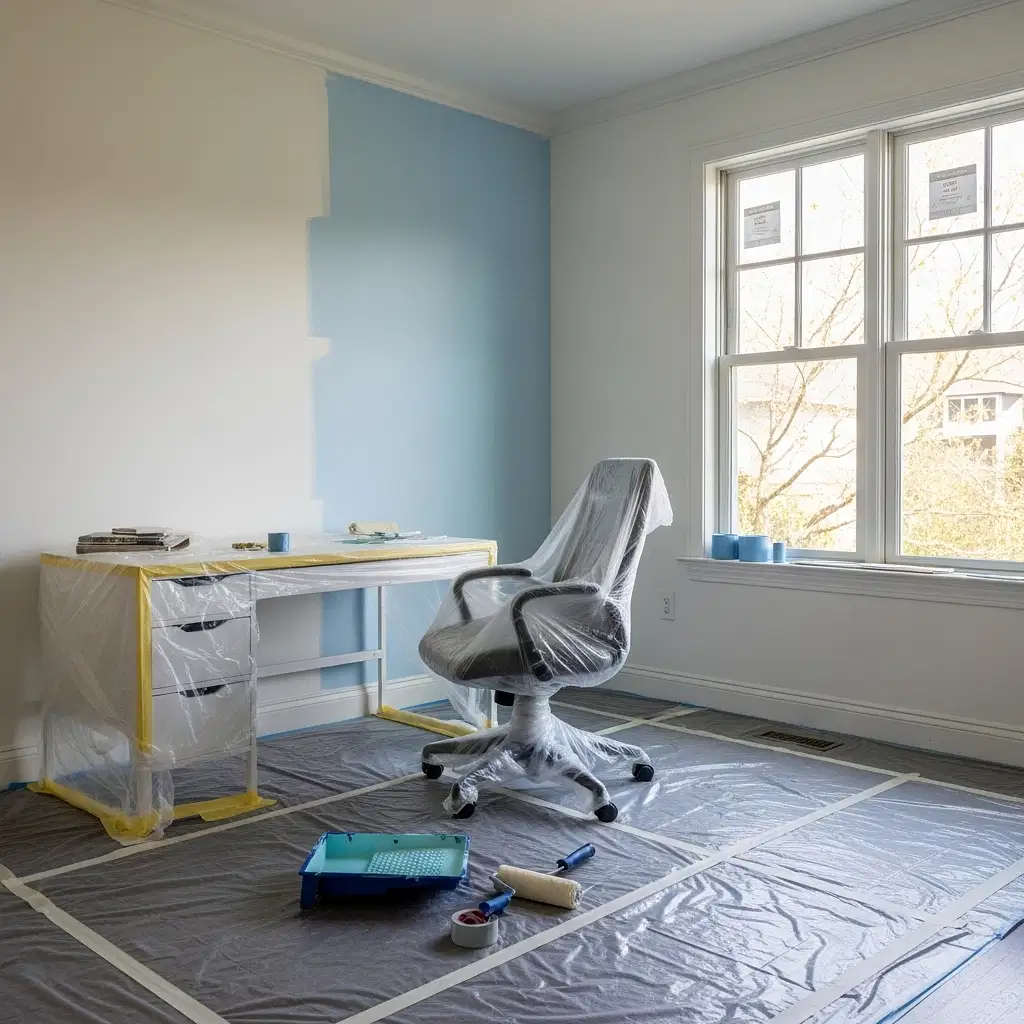
Once lead testing before painting exterior walls is complete and all necessary safety protocols are firmly in place, the real preparation begins. In our consistently damp climate, a quick wash and a hasty slap of paint simply will not survive the Liquid Sunshine. Proper, intensive prep is the true foundation of any lasting paint job, especially when dealing with older, weathered wood siding that has seen decades of weather.
First, we have to address the organic growth that thrives in our environment. Years of seasonal rain can leave a hidden layer of algae and grime on wood siding. We perform thorough moss and mildew prep, which involves gently but effectively neutralizing and cleaning the surface using lead-safe methods. Because high-pressure washing can aggressively scatter toxic paint chips, we use controlled, low-pressure cleaning techniques combined with specialized treatments to ensure the surface is entirely clean without compromising site safety.
Next comes the careful process of scraping, sanding, and caulking. Window caulking and surface prep for old homes requires a remarkably delicate touch to seal out moisture while preserving vintage architectural details. Historic windows often have subtle shifts and gaps from settling over the decades. Every single gap, joint, and seam must be meticulously sealed with high-grade, flexible elastomeric caulk to prevent water intrusion. Water creeping behind the paint is the leading cause of premature peeling, bubbling, and eventual wood rot.
Because older homes often have multiple layers of failing paint, we take the extra time to smooth the surface properly. We safely scrape away loose flakes and apply high-bonding primers designed specifically for aged wood. This incredibly detailed preparation ensures that the new eco-friendly, low-VOC paint adheres flawlessly, looks perfectly smooth, and provides maximum weatherproofing protection against the elements.
Protecting Your Historic Home for the Future
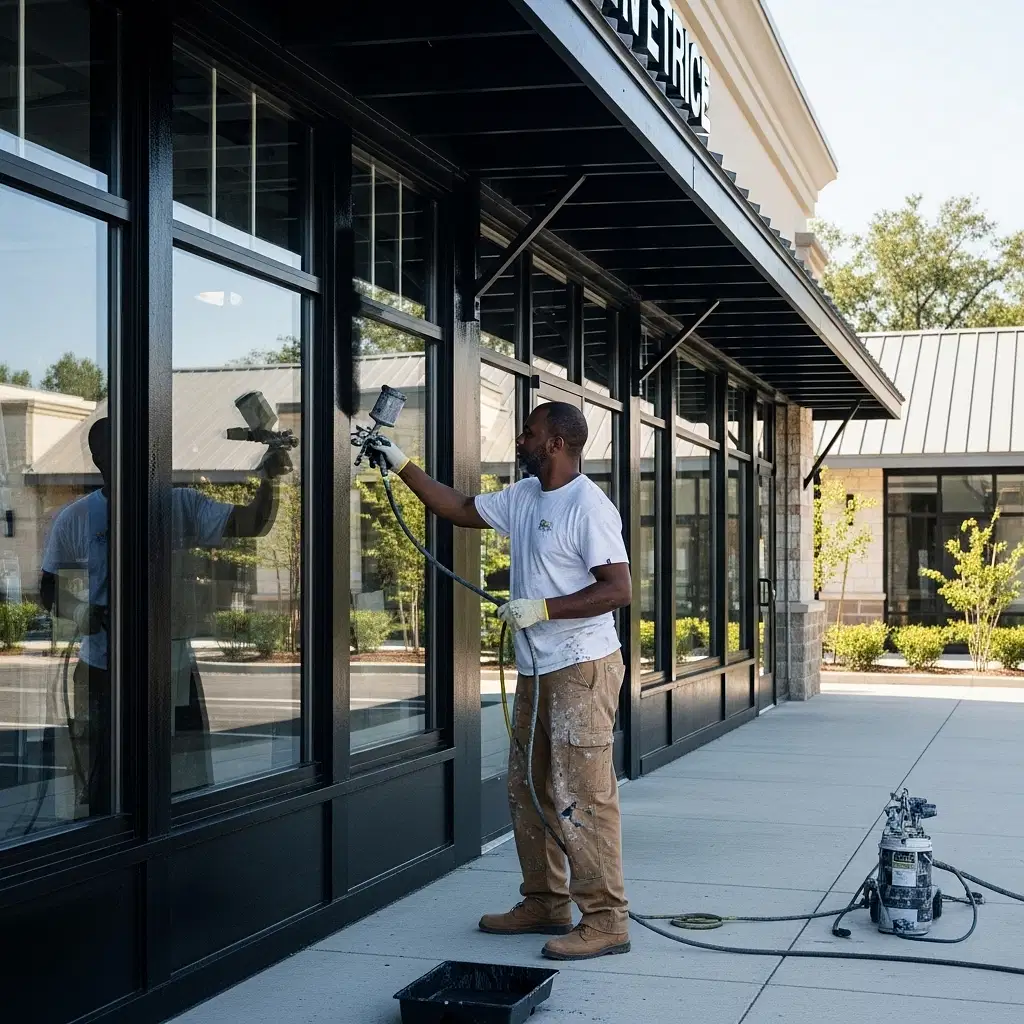
Painting a historic home is far more than routine maintenance; it is an investment in your property's legacy. By prioritizing proper lead testing, safe preparation methods, and the application of high-quality, moisture-resistant materials, you ensure that your property remains a beautiful, safe, and structurally sound part of the community for decades to come. You should never risk your family's health or your home's architectural integrity by skipping these crucial testing steps or trusting unlicensed contractors who might cut corners on necessary safety protocols.
At Six A's Painting LLC, our core values of customer satisfaction, high-quality work, and clear communication drive everything we do on the job site. We specialize in the meticulous techniques required to protect, restore, and beautify PDX's oldest and most treasured historic homes. Our team is fully trained, properly licensed, and deeply committed to delivering flawless results without ever compromising on safety or cleanliness.
If you are ready to breathe new life into your classic home's exterior while adhering to the highest environmental and safety standards, contact us today to schedule a comprehensive consultation and a detailed, transparent estimate.